Introduction
Cardano’s native tokens are a cornerstone of the blockchain’s functionality and community engagement. These tokens, which can be user-defined, are treated by the Cardano ledger similarly to its native currency, ada. Since the Mary hard fork in March 2021, Cardano has offered built-in support for native tokens, eliminating the need for custom code for their creation, transfer, or deletion. Notably, a single Cardano transaction can handle multiple tokens and addresses for a single transaction fee, making the use of native tokens more cost-effective.
Cardano’s native tokens offer a robust multi-asset feature, allowing for transactions involving both ADA and an unlimited number of user-defined tokens, according to the official Cardano documentation. This native support eliminates the need for smart contracts to manage custom tokens, thereby reducing complexity and the potential for errors. The native tokens feature extends Cardano’s existing accounting infrastructure, which was initially designed for ADA-only transactions, to accommodate a variety of assets. These assets can range from digital currencies like ADA to user-defined custom tokens.
The documentation also delves into the concept of minting policies, which govern the creation and destruction of assets. These policies can be as simple as requiring specific signatures for minting or as complex as Plutus Core scripts. Every asset is permanently associated with a minting policy, ensuring safety and integrity. Cardano’s native tokens can be fungible or non-fungible, and they can represent a variety of values, such as roles, credentials, or quantities of goods. Unlike ERC20 tokens on the Ethereum blockchain, Cardano’s native tokens are supported by the ledger natively, offering enhanced security and efficiency.
Cardano’s native tokens also have a lifecycle that includes minting, issuing, using, redeeming, and burning phases. Various actors like asset controllers, token issuers, and token holders interact throughout this lifecycle. ADA remains the principal currency for transaction fees and minimum account balances, even when dealing with native tokens.
On 5 September 2023, Essential Cardano provided a comprehensive guide to the ecosystem players that support Cardano’s native tokens. Below are a few highlights from their report.
The Impact of Native Tokens on Cardano’s Ecosystem
Native tokens have opened the door for innovative applications within the Cardano ecosystem, ranging from the establishment of loyalty programs to enabling peer-to-peer transactions.
The introduction of native tokens has been a catalyst for the adoption of the Cardano blockchain, attracting a broader user base and developer community.
The Cardano blockchain facilitates the representation and trading of digital assets through tokenization, further expanding its utility.
Native tokens have been instrumental in the growth of decentralized finance on Cardano, enabling the development of a robust ecosystem of decentralized applications (DApps) offering financial services.
Tools for Native Tokens
Development Agencies and Platforms
- Ada Anvil: Specializes in NFT minting, staking, airdrops, and custom services.
- Buffy Bot: A publishing company focused on Cardano NFT projects.
- Cardano Sounds: Aims to create a new economy within NFTs, allowing creators to earn royalties.
User Interfaces and Minting Platforms
- Cardano Token and NFT Builder: A web-based GUI.
- CNFT Lab: A comprehensive Web3 tool for minting CNFTs and managing policy IDs.
- Minted with Lovelace: A decentralized launchpad DApp for automated NFT/Token minting.
Wallets Supporting Native Tokens
- Adalite Wallet: An open-source client-side interface developed by Vacuumlabs.
- Daedalus Wallet: A full-node desktop wallet.
- Nami Wallet: A browser-based extension.
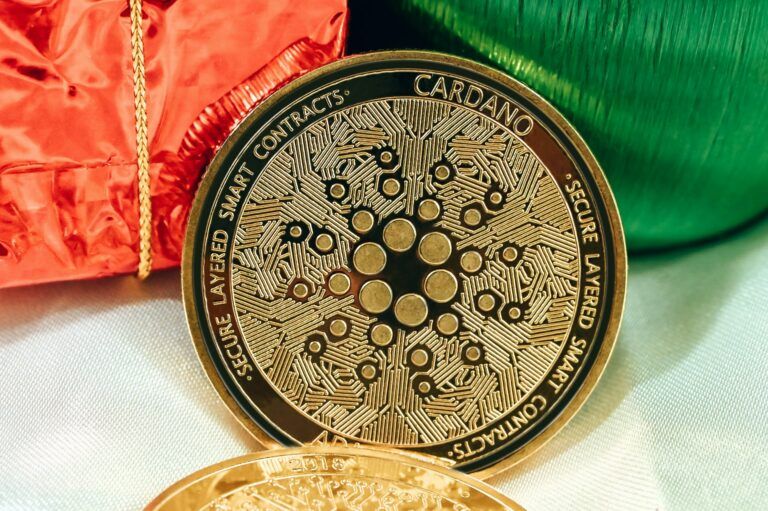
Featured Image via Unsplash