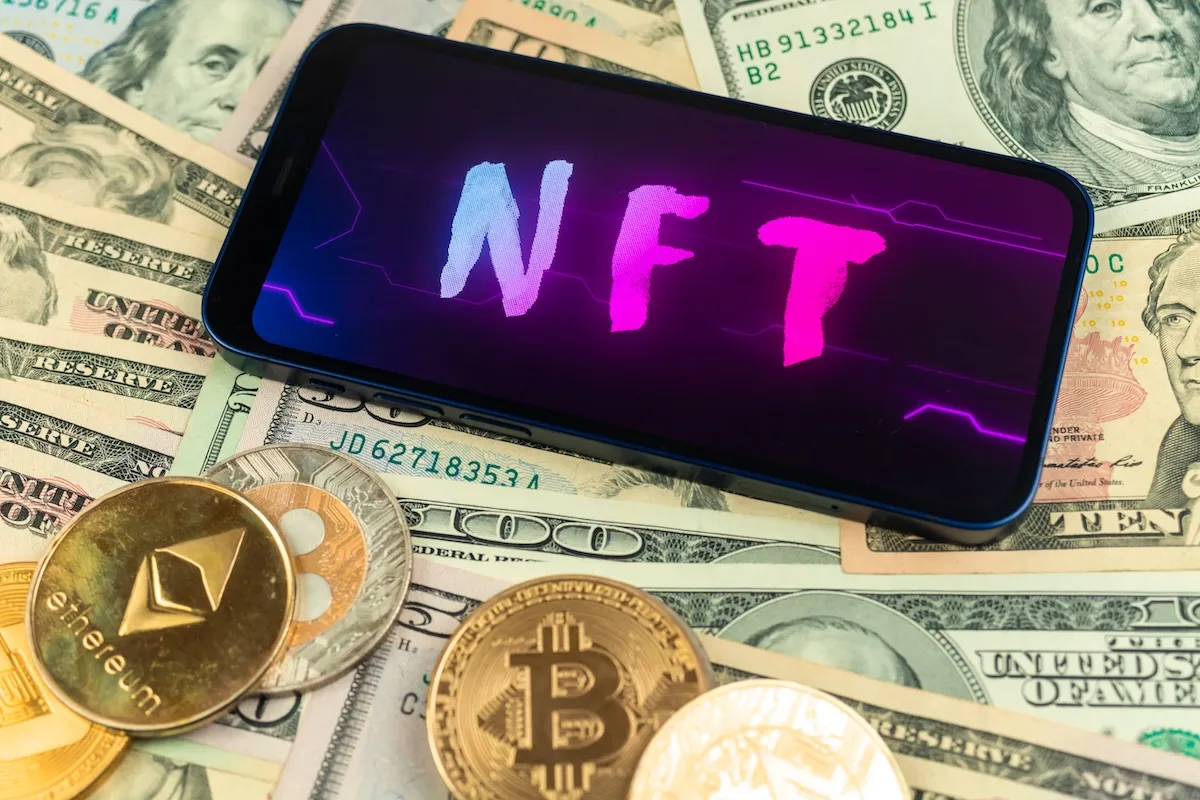
In the fast-changing world of digital assets, two buzzwords often dominate headlines — NFTs and cryptocurrencies. While both operate on blockchain technology and often appear side by side in discussions about the future of finance and art, they are fundamentally different in purpose, structure, and use. Understanding these differences is key to grasping how blockchain is reshaping industries from art to gaming to investment.
The Core Difference: Fungibility
The term “fungible” means that each unit of an asset is interchangeable with another of the same kind. Cryptocurrencies like Bitcoin or Ethereum are fungible — one Bitcoin is always equal in value to another Bitcoin, just as one dollar equals another dollar.
NFTs (Non-Fungible Tokens), on the other hand, are unique digital assets. Each NFT carries distinct metadata that sets it apart from every other token. This uniqueness makes NFTs ideal for representing ownership of digital or physical items such as artwork, music, virtual land, or collectibles.
These assets are typically bought and sold through NFT marketplaces or NFT marketplace aggregators, which bring together listings from multiple platforms to help users discover and trade NFTs more efficiently.
Purpose and Use Cases
Cryptocurrencies are designed primarily as mediums of exchange or stores of value. People use them to transfer funds, invest, or hedge against traditional market fluctuations.
NFTs, in contrast, are designed to represent ownership or proof of authenticity for unique assets. They are most commonly used in:
-
Digital art and collectibles (e.g., Bored Ape Yacht Club, CryptoPunks)
-
Gaming assets (e.g., in-game items or characters)
-
Music and entertainment rights
-
Virtual real estate in the metaverse
Where cryptocurrencies function as money, NFTs function as digital certificates of ownership.
The Technology Behind Them
Both NFTs and cryptocurrencies rely on blockchain networks — decentralized ledgers that record transactions securely and transparently. However, their structure differs:
-
Cryptocurrencies exist on their own blockchains (e.g., Bitcoin on the Bitcoin network, Ether on Ethereum).
-
NFTs are usually built on existing blockchains (like Ethereum or Solana) using specific standards such as ERC-721 or ERC-1155 that allow for unique asset creation.
In simple terms, cryptocurrencies are the fuel of blockchain systems, while NFTs are unique digital items built upon them.
Value Determination
The value of a cryptocurrency is largely determined by market demand, scarcity, and investor confidence — similar to traditional commodities.
NFT value, however, depends on individual uniqueness, creator reputation, rarity, and utility. Two NFTs can have wildly different values, even if they exist on the same platform. For example, a digital artwork by a well-known artist can sell for millions, while another NFT might be worth only a few dollars.
Market Volatility and Risk
Both NFTs and cryptocurrencies are volatile, but for different reasons. Cryptocurrencies react to market trends, regulations, and global economic events. NFTs, meanwhile, depend heavily on hype cycles, cultural trends, and perceived artistic value.
While cryptocurrencies have started to find some stability through institutional adoption, NFTs remain a highly speculative space.
The Future Outlook
Despite their differences, NFTs and cryptocurrencies are intertwined. NFTs often require cryptocurrency (like ETH) for buying and selling, and both contribute to the broader Web3 ecosystem — a vision of a decentralized internet where users own their data and assets.
As the technology matures, we can expect NFTs to expand beyond art and collectibles into real-world applications, including digital identity, event tickets, intellectual property, and even real estate ownership.
Final Thoughts
In essence, while cryptocurrencies are digital money, NFTs are digital ownership certificates. Both share the same blockchain roots but serve distinct purposes in the growing digital economy. Understanding this difference helps investors, creators, and everyday users navigate the next wave of blockchain innovation with clarity — and confidence.