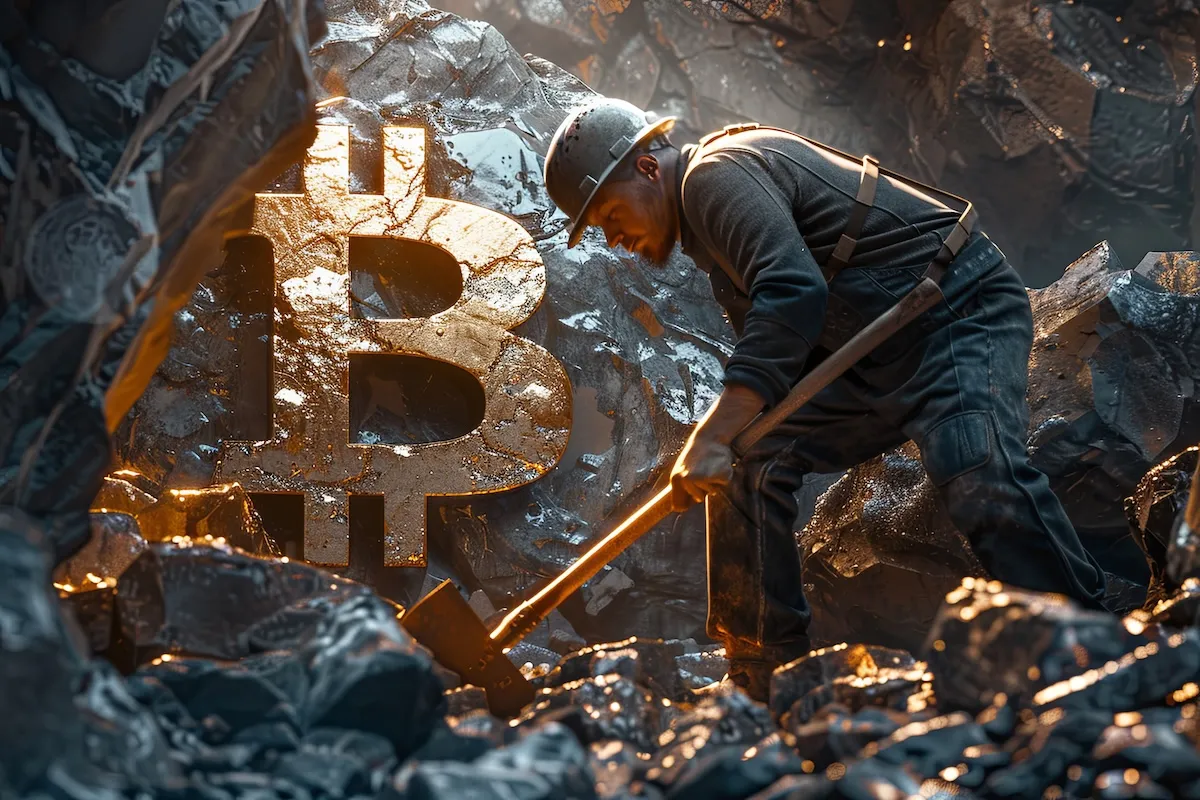
The conversation around cryptocurrency mining and its environmental impact continues to evolve in 2025, with new data revealing shifting patterns in energy consumption and sources. Recent studies highlight how the industry is gradually transforming its energy profile, presenting a more nuanced picture than earlier assessments suggested.
Current Energy Consumption Patterns
Cryptocurrency mining, particularly Bitcoin mining, remains an energy-intensive process. Recent estimates indicate that Bitcoin mining consumes approximately 138 terawatt-hours annually (about 0.5% of global electricity), comparable to that of a small nation.
The proof-of-work consensus mechanism that secures the Bitcoin network requires substantial computational power. Miners worldwide operate specialized hardware that solves complex mathematical problems to validate transactions and maintain the blockchain’s integrity. This process, while energy-intensive, provides the security foundation that makes the network resistant to attacks and manipulation.
The Renewable Energy Shift
One of the more interesting developments in 2025 involves the mining industry’s gradual transition toward renewable energy sources. Data from various monitoring organizations shows that renewable energy usage in Bitcoin mining has increased significantly from earlier years. Some estimates suggest that sustainable and low-carbon sources are estimated at ~52.4% of Bitcoin mining’s energy mix in 2025 (about 42.6% renewables plus 9.8% nuclear), up from ~37.6% in 2022.
This shift toward cleaner energy sources stems from economic incentives rather than purely environmental motivations. Renewable energy, particularly in regions with abundant hydroelectric, solar, or wind resources, often provides cheaper electricity than fossil fuel alternatives. Miners naturally gravitate toward locations offering the lowest energy costs to maximize profitability, which increasingly means renewable-powered facilities.
However, the picture remains mixed across different regions. In some major mining locations, particularly in certain U.S. states, fossil fuels still account for the majority of electricity used in mining operations. This geographic disparity highlights the ongoing transition rather than a completed transformation.
Understanding the Broader Context
For cryptocurrency enthusiasts and market participants, these energy discussions matter beyond environmental concerns. Energy costs directly impact mining profitability, which in turn affects network security and, potentially, cryptocurrency valuations. Those looking to sell bitcoin in Istanbul or other locations might find these dynamics influence market conditions in subtle but meaningful ways.
The energy conversation also affects how different stakeholders view cryptocurrency’s long-term viability. Institutional investors increasingly consider environmental factors in their investment decisions, making the industry’s energy profile relevant to mainstream adoption prospects. Understanding how to sell bitcoin in Istanbul through various channels becomes part of a larger ecosystem that includes mining operations, energy consumption, and environmental considerations.
Water and Resource Considerations
Beyond electricity consumption, recent studies have begun examining other resource requirements of cryptocurrency mining. Water usage for cooling mining hardware and carbon dioxide emissions from the electricity generation process represent additional environmental considerations. Research from 2023 estimated that cryptocurrency mining consumed around ~1.65 billion cubic meters of water (2020–2021 period) and emitted ~85.9 million tons of CO₂ equivalent in that window, per UN University estimates.
These figures add complexity to environmental assessments of cryptocurrency mining. While the industry’s shift toward renewable electricity addresses carbon emissions from power generation, it doesn’t eliminate all environmental impacts. Cooling requirements, electronic waste from outdated mining equipment, and resource extraction for hardware manufacturing all contribute to the overall environmental footprint.
Technological Developments
The cryptocurrency space continues exploring alternative consensus mechanisms that require less energy than proof-of-work mining. Some networks have already transitioned to proof-of-stake systems, which validate transactions through economic stake rather than computational work, dramatically reducing energy consumption. Whether exploring where to sell bitcoin in Istanbul at exchanges or through peer-to-peer networks, users interact with an ecosystem where different cryptocurrencies employ varying approaches to security and validation.
However, Bitcoin’s proof-of-work mechanism remains unchanged, with the community generally viewing the energy expenditure as necessary for the network’s security model. This creates an ongoing debate about whether the security benefits justify the energy costs, with perspectives varying widely across different stakeholder groups.
Conclusion
Looking ahead, the cryptocurrency mining industry faces continued pressure to improve its environmental profile while maintaining network security. Several industry and academic sources expect the low-carbon share to keep rising, but precise 2030 levels remain uncertain and depend on regional policy and energy-price dynamics. Many investors who sell bitcoin in Istanbul for cash and other global markets watch these developments as indicators of the industry’s long-term sustainability.
The evolution of mining’s energy profile represents neither a complete solution nor an insurmountable problem, but rather an ongoing process of technological adaptation and economic optimization. As energy markets evolve, renewable sources become more cost-competitive, and mining technology improves efficiency, the industry’s environmental impact continues to shift.
For cryptocurrency users and observers, understanding these energy dynamics provides context for the broader ecosystem’s development. Whether participating in markets, evaluating investment opportunities, or simply following technological progress, the energy conversation remains a significant thread in cryptocurrency’s ongoing story.