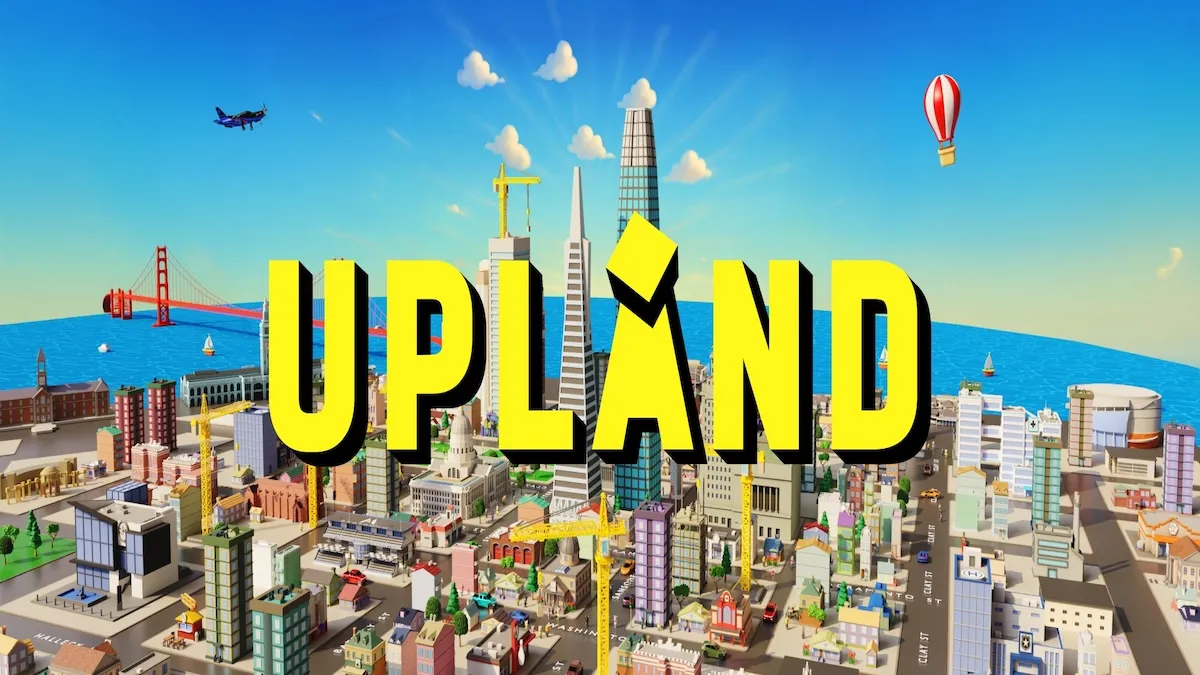
Upland 2.0 has reshaped the way players interact with digital property, adding new layers of strategy around location, ownership, and city development. With a stronger focus on districts and community-driven growth, the upgrade makes virtual real estate feel more dynamic and rewarding.
Key takeaways
-
Upland 2.0 places stronger emphasis on property strategy and district value.
-
Sparklet token plays a bigger role in development and blockchain integration.
-
The rebrand improves clarity for newcomers while giving veterans deeper gameplay.
-
Developers and creators gain new opportunities to build within Upland.
-
Virtual property ownership now feels more tied to geography and long-term planning.
Upland 2.0 Redefines Property Ownership
A big change in Upland 2.0 is that owning property now takes more strategy. Before, players often just collected land to see if its value would go up. Now, where your property is located really matters. Its value depends on the district, nearby properties, and how the area grows.
This change makes Upland feel more like real-world real estate. Owning a plot in a busy downtown, or within a district where other players are actively building, naturally increases its worth. For players, that means every purchase requires more foresight. Instead of simply grabbing the cheapest available property, it pays to think about long-term potential.
The Strategic Value of Districts
Districts are now at the heart of Upland’s strategy. In the past, they felt like markers on the map. Today, they shape how the in-game economy grows.
Here’s why districts matter so much in Upland 2.0:
-
Properties within thriving districts benefit from increased demand.
-
Clusters of development encourage collaboration between players.
-
Strategic placement leads to higher resale and rental opportunities.
This means your choices in the game are a lot like real urban planning. Picking a property is not just about owning it for yourself. It’s also about being part of a bigger community and gaining from it.
This focus on districts makes Upland different from games like Decentraland or The Sandbox, where land is mostly just a space to build on. In Upland, the district’s character is important, making the game more social and strategic.
Urban Development and the Rise of Sparklet
The Sparklet token has become essential in Upland 2.0. Unlike UPX, which still handles most transactions, Sparklet powers construction and activity. Want to build a house or develop a business in your district? You’ll need Sparklet.
What makes this token particularly interesting is its link to public blockchains like Ethereum and Base. That connection bridges Upland’s virtual economy with the broader crypto landscape, giving Sparklet a utility beyond the game itself.
This move also gives players and developers more freedom. By integrating Sparklet into external ecosystems, Upland is creating opportunities for players to connect their in-game progress with real-world crypto markets. It’s a smart step that strengthens Upland’s long-term viability.
Why Developers and Creators Win with Upland 2.0
For developers, Upland 2.0 is more than an upgrade; it’s an open invitation. The platform is making it easier to build experiences, brands, and projects inside the game.
Opportunities now include:
-
Building virtual businesses tied to real addresses.
-
Launching branded content that interacts with districts.
-
Creating NFT-based experiences that integrate Sparklet.
This creator-first approach makes Upland more competitive against projects like The Sandbox, which has long marketed itself as a playground for user-generated content. The difference is that Upland ties this creativity to real-world geography, which can give projects a unique sense of place and context.
Rebranding and Improved Onboarding
Upland 2.0 isn’t only about new features. It’s also about how the game looks and feels. The platform has a new look, clearer messages, and easier onboarding, so it’s simpler for new players to get started.
The rebrand is more than just a new look. Upland wants to be seen as more than a land-collecting game. It’s now a place for strategy, community, and a digital economy. For longtime players, the new messaging shows off deeper gameplay that may have been missed before.
How Upland 2.0 Stacks Up Against Other Metaverse Platforms
Comparisons are inevitable. Upland, Decentraland, and The Sandbox all occupy the metaverse space but take very different approaches.
-
Decentraland focuses on open creativity, with users free to build and design in any way they want. But land value there is often tied more to speculation than structured development.
-
The Sandbox leans into gamified experiences and branded partnerships, with its land used primarily for mini-games and entertainment.
-
Upland 2.0, by contrast, leans heavily on real-world geography, districts, and urban planning. This creates a stronger sense of strategy, where location and collaboration directly impact value.
The clear takeaway is that Upland’s advantage lies in making digital property ownership feel closer to real-world real estate. That unique angle differentiates it in a crowded metaverse market.
What Upland 2.0 Mean for Players
These changes shift how people play Upland. Property owners now need to think about districts, building, and long-term growth, not just quick profits. New players get an easier start, and creators and developers have more ways to shape the game’s economy.
To me, the biggest change is how the game feels. Upland isn’t just about grabbing land anymore. Now, it’s about building a lively city where your choices matter, communities grow, and strategy leads to success.
Why Upland 2.0 Features Matter
The new features in Upland 2.0 turn virtual real estate into more than just a guessing game. With a focus on districts, city growth, and tokens like Sparklet, the update gives experienced players more to explore and makes it easier for new players to join in.
Compared to other metaverse projects, Upland stands out because it blends strategy with geography, encouraging players to think like investors, builders, and urban planners. That combination makes Upland 2.0 one of the most promising environments for digital property ownership today.